中国专业光学镜片模具及光学组件及光学成型及光学镀膜供应商
先进光学能力



Medical Endoscope Optics: Supplier Qualification Questions
9 月 15, 2026
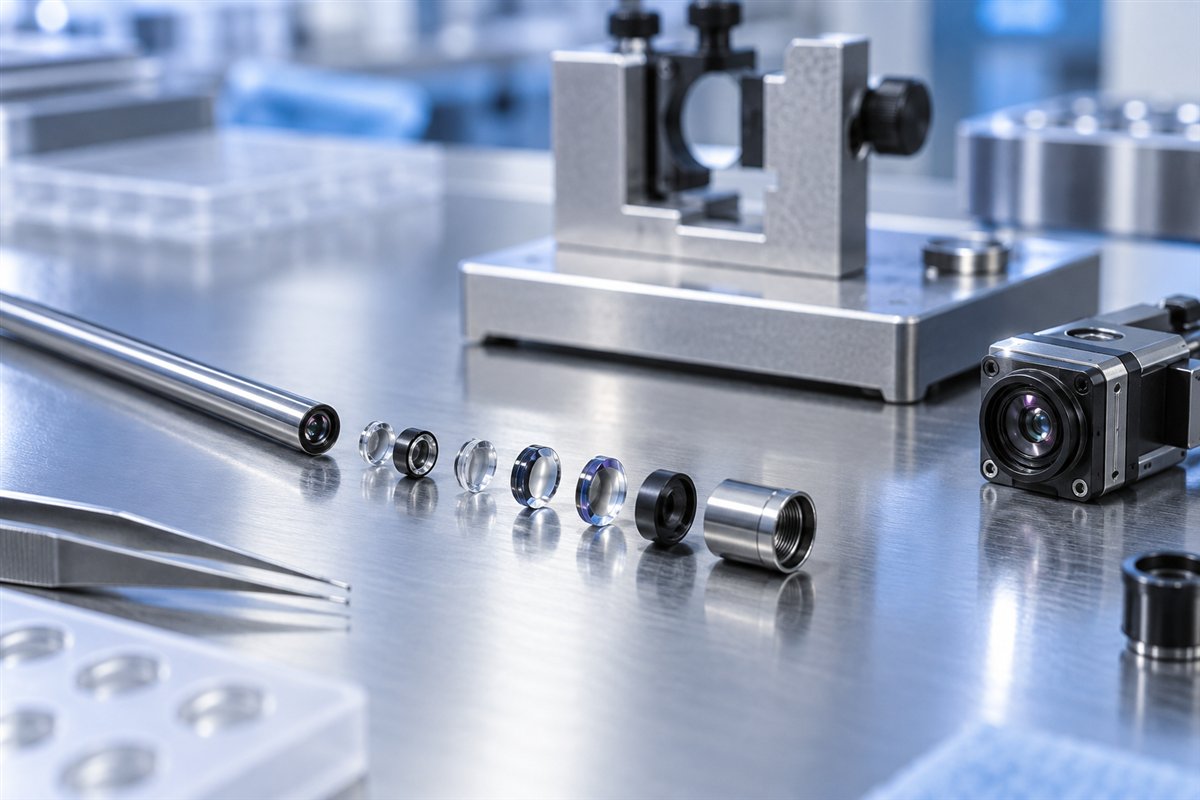
Medical endoscope optics combine small geometry, tight packaging and demanding image requirements. Supplier qualification should therefore examine how optical, mechanical and process requirements are translated into controlled production evidence. The questions below help engineering and sourcing teams prepare a focused review.
Is the Requirement Package Complete?
Provide the optical prescription or performance target, drawings, material specifications, coating requirements, assembly interfaces, operating environment and expected volume. Clearly identify prototype, verification and production stages. The supplier should be able to list open assumptions before quoting.
How Are Optical Characteristics Verified?
Ask which characteristics are measured directly and which are verified through process or system testing. Relevant items may include focal length, image quality, centration, surface form, transmission and cosmetic condition. Test wavelength, clear aperture, fixture and sampling should be documented.
How Are Materials and Coatings Controlled?
Material identity affects transmission, moisture behavior, sterilization compatibility and dimensional stability. Coating requirements need defined wavelength, angle and durability conditions. Any biological or regulatory claims must be supported by the finished device manufacturer’s validation and the applicable supply-chain evidence.
What Cleanliness and Handling Controls Apply?
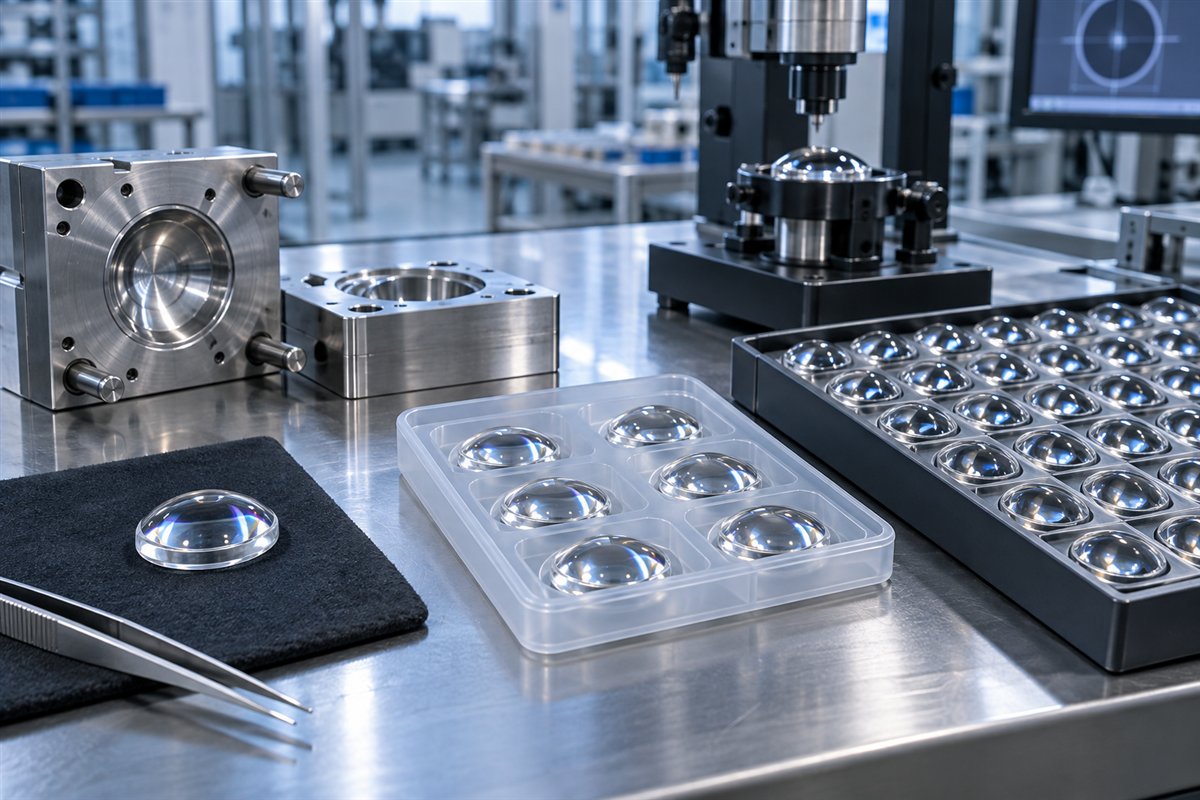
Small optical surfaces are sensitive to dust, residue and handling marks. Review cleaning methods, work-area controls, packaging and acceptance criteria. The appropriate level depends on the device design and downstream assembly process.
How Are Traceability and Changes Managed?
- Material lot and supplier identification
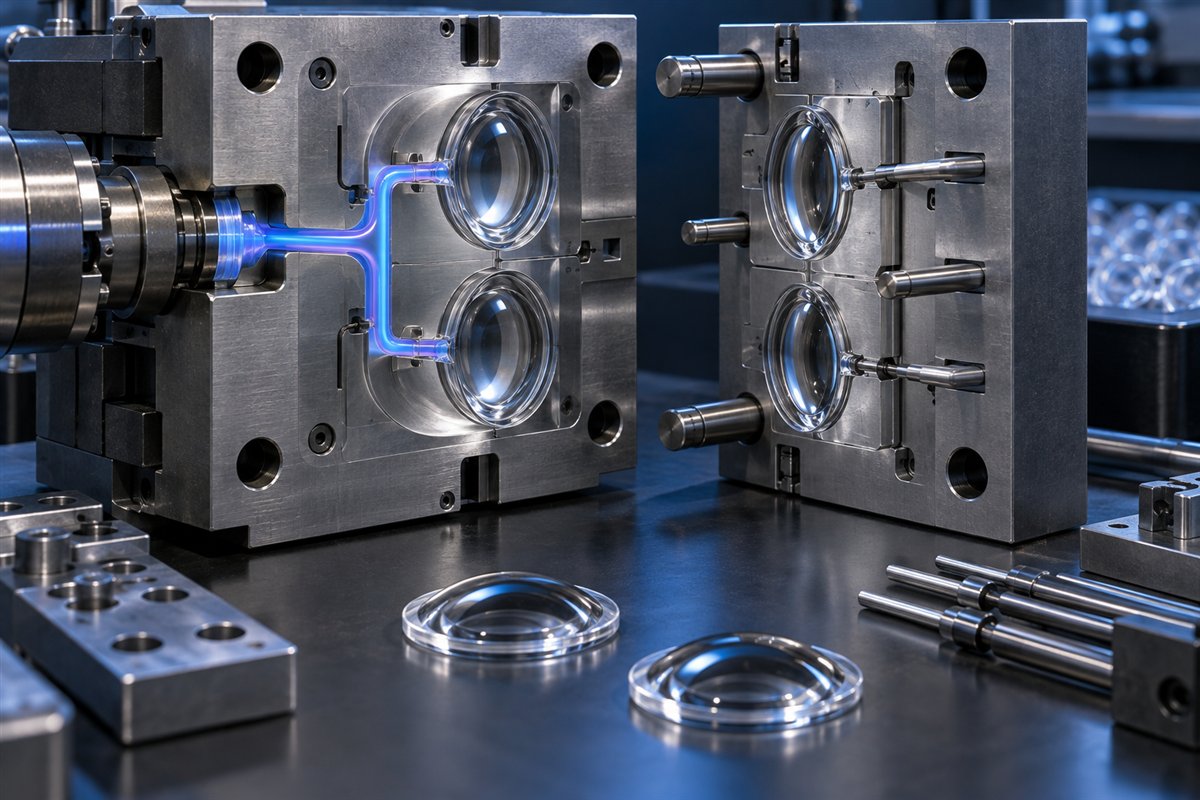
- Tool, insert or cavity identity where relevant
- Inspection record linkage
- Nonconformance and disposition records
- Notification and approval of material, tool or process changes
The qualification plan should define which records are required for prototypes and which continue during routine production.
Can the Design Be Manufactured and Assembled Reliably?
A DFM review should cover edge thickness, clear aperture, datum structure, coating zones, bonding areas and assembly access. The team should also discuss how decenter, tilt and spacing variation affect image quality. This connects component tolerances to system performance.
What Belongs in a Supplier Audit or Review?
| Review area | Evidence to discuss |
|---|---|
| Requirements | Controlled drawings, specifications and revision history |
| Process | Flow, work instructions and key parameter control |
| Inspection | Methods, calibration, sampling and reporting |
| Traceability | Lot, tool, cavity and record linkage |
| Change control | Risk review, notification and approval path |
Explore the medical and endoscopy optical component category and the quality assurance page when preparing your supplier discussion.
Frequently Asked Questions
Does a component supplier certify the complete medical device?
The finished-device manufacturer controls device-level validation and regulatory decisions. Component evidence should support that process within the agreed scope.
Why connect optical and mechanical datums?
The assembled image depends on how the component is located. A clear datum strategy makes tolerance and inspection results more meaningful.
When should change control be agreed?
Agree it before production approval so material, tooling and process changes follow a known communication path.
Send your medical optics requirements to Silver Optics for an initial review.
也许你也喜欢


服务 & 产能
资源
获取免费报价
复制©2025 | 银光学. | 版权所有
服务
